Wrongful
Death Attorney
Compassionate Legal Help for Families Who Lost Someone Too Soon
Losing someone you love is devastating. When that loss happened because someone else was careless, reckless, or ignored safety rules, it feels unfair—and the legal process can feel overwhelming.
At Djiba Law, we help families across Austin, Travis County, and Central Texas navigate wrongful death claims with clarity, compassion, and straight answers. We don’t hide behind legal jargon. We explain what’s going on, your options, and how we can help.
You don’t have to face this alone.
What Counts as a Wrongful Death in Texas?
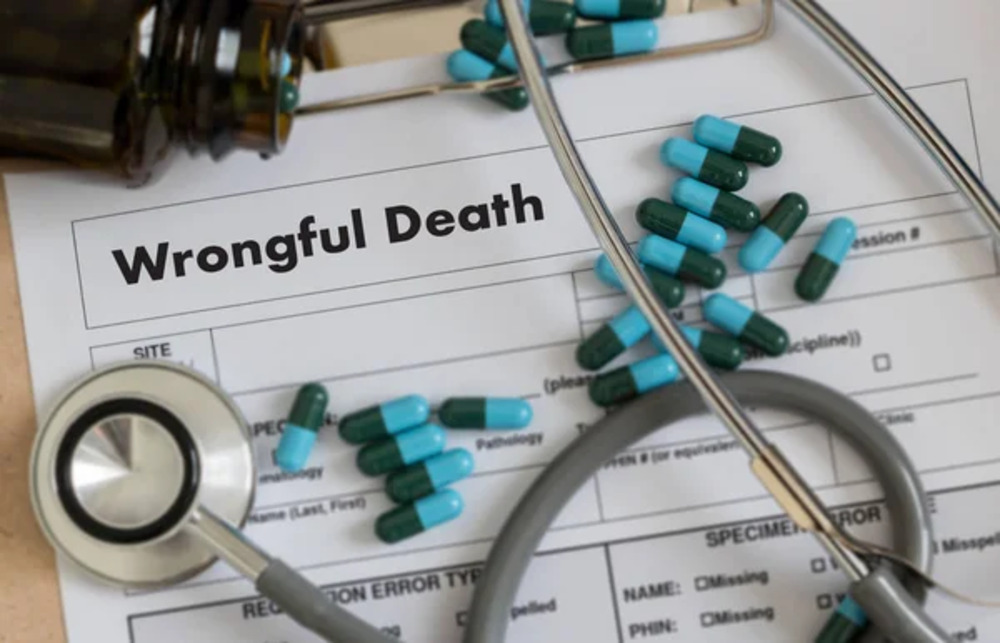
A wrongful death occurs when a person dies because of someone else’s negligence, recklessness, or intentional act. In Texas, these cases fall under the Texas Wrongful Death Act.
If your loved one could have filed a personal injury claim if they survived, then their death may qualify as wrongful.
Common Examples in Austin:
- Fatal car crashes caused by distracted or drunk drivers
- Truck accidents involving overloaded or speeding rigs
- Construction site deaths due to unsafe conditions
- Medical mistakes or malpractice
- Nursing home neglect
- Dangerous property conditions
- Defective products that cause fatal injuries
Even everyday moments—like a drive home or a routine hospital visit—can tragically turn into wrongful death cases.
Who Can File a Wrongful Death Claim in Texas?
Texas law limits who can file a wrongful death lawsuit. Typically, claims are filed by:
- A surviving spouse
- Children, including adopted children
- Parents of the deceased
Siblings usually cannot file unless they are the estate’s legal representative.
Blended families, long-term partners, or stepchildren can raise questions. We help you understand who qualifies.

How Wrongful Death Cases Differ from Regular Injury Claims
Wrongful death cases are more than personal injury claims with higher damages. They involve:
- Different laws and deadlines
- Multiple family members
- Complex types of compensation
- Disputed fault and insurance resistance
- Emotional weight
Handling these cases without an experienced lawyer can lead to lost evidence, missed deadlines, and lower settlements.
Common Causes of Wrongful Death in Austin
Fatal Car Accidents
Speeding, texting, drunk driving, and reckless behavior cause deadly crashes throughout Downtown Austin, South Congress, The Domain, Round Rock, and Pflugerville.
Truck Accidents
Commercial trucks often involve multiple parties, including drivers, employers, and insurers.
Motorcycle and Bicycle Accidents
Bike-friendly Austin can be dangerous when drivers fail to yield or check blind spots.
Pedestrian Accidents
Busy areas like Sixth Street, The Domain, and the University of Texas campus see heavy foot traffic.
Medical Malpractice
Missed diagnoses, surgical errors, and medication mistakes can be fatal.
Workplace and Construction Accidents
Falls, heavy machinery, unsafe scaffolding, and electrical hazards cause preventable deaths.
Nursing Home Neglect
Families trust care facilities to protect vulnerable residents. When that trust is broken, the consequences can be fatal.
What Compensation Can Families Receive?
Wrongful death compensation is designed to help families with financial and emotional losses.
Economic Damages
- Funeral expenses and burial costs
- Medical bills related to the final injury
- Lost income and future earnings
- Loss of financial support
- Loss of benefits
Non-Economic Damages
- Loss of companionship
- Loss of parental guidance
- Mental anguish
- Emotional distress
- Pain and suffering
Punitive Damages
In cases of extreme recklessness or intentional acts, extra damages may apply.
Survival Actions vs Wrongful Death Claims
- Wrongful death claims: Belong to the surviving family members, focusing on their losses.
- Survival actions: Belong to the estate, covering what the deceased person experienced before passing.
Many cases involve both, and we handle this behind the scenes.
How Fault Works in Texas
Texas uses a modified comparative fault rule.
If your loved one was less than 51% responsible, your family can still recover damages, although the total may be reduced proportionally. Insurance companies often try to shift blame—our job is to counter those claims with evidence.
Evidence That Matters
Strong cases rely on solid evidence:
- Police and accident reports
- Medical records and hospital notes
- Autopsy reports and death certificates
- Witness statements and surveillance footage
- Expert testimony and forensic analysis
- Employment and insurance records
The sooner we start, the easier it is to preserve critical information.
Why Families in Austin Choose Djiba Law
We focus on straight answers, clear communication, and family-first representation.
- Honest case evaluations
- No upfront fees
- Personalized legal strategy
- Real accountability against insurance companies
We know how personal these cases are. And we know how aggressive insurance companies can be.
Local Experience Matters
We understand Austin-specific courts, traffic patterns, accident hotspots, and insurance practices, including:
- Downtown Austin
- East Austin
- Mueller
- South Congress (SoCo)
- West Lake Hills
- Round Rock
- Cedar Park
- Pflugerville
- Travis County & Central Texas
Local knowledge makes a difference in winning cases.
How the Wrongful Death Process Works
Step 1: Case Evaluation
We listen to your story, ask questions, and determine whether a claim exists.
Step 2: Investigation
We gather police reports, medical records, witness statements, and other critical evidence.
Step 3: Identify Liable Parties
We determine who is responsible, whether it’s a driver, employer, medical provider, or property owner.
Step 4: Filing
We file claims with insurance companies or in Texas civil court.
Step 5: Negotiation or Trial
Most cases settle, but we prepare every case as if it’s going to trial.
Statute of Limitations in Texas
Most wrongful death claims must be filed within two years of the death. Waiting too long can result in:
- Lost evidence
- Witnesses forgetting details
- Closed businesses
- Missed deadlines
Common Mistakes Families Make
- Waiting too long to call a lawyer
- Talking to insurance companies without legal advice
- Assuming they can’t afford legal representation
- Accepting the first settlement offer
Contingency Fee Representation
We work on a contingency fee basis:
- No upfront fees
- No hourly billing
- Payment only if we win
Talk to an Austin Wrongful Death Lawyer Today
You don’t have to decide anything today. You just need answers.
We offer free consultations to explain:
- Whether you have a case
- What your options are
- Next steps
No pressure. No obligation. Just clarity.
Trust & Credibility Signals
- Texas Personal Injury Attorneys
- State Bar of Texas member
- Civil Litigation Specialists
- Trial Lawyers and Negotiation Experts
- Free Case Evaluations
- Contingency Fee Representation
- 5-Star Client Reviews and Testimonials
- Years of Local Austin Legal Experience
- Community Involvement
Local Austin Coverage
We proudly serve families across:
- Downtown Austin
- East Austin
- Mueller Neighborhood
- South Congress (SoCo)
- West Lake Hills
- Round Rock
- Pflugerville
- Cedar Park
Travis County & Central Texas
Frequently Asked
Questions
How do I know if my loved one’s death qualifies?
If the death was caused by negligence, recklessness, or a wrongful act, it may qualify.
What if my loved one was partially at fault?
As long as they were less than 51% responsible, your family may still recover damages.
How much is a wrongful death case worth?
It depends on income, age, dependents, circumstances, and impact on family.
Do I have to go to court?
Not always. Many cases settle. If a fair offer isn’t made, we’re prepared to go to trial.
How long does a case take?
Some settle in months; others take longer depending on complexity and parties involved.
Can I file if the death happened outside Austin?
Yes, depending on jurisdiction. We serve families throughout Travis County, Central Texas, and surrounding areas.
What if the person responsible is uninsured?
Other options may exist, including uninsured motorist claims, employer liability, or third-party responsibility.